Why Lucky Number Superstitions Have Zero Impact on RNG Results
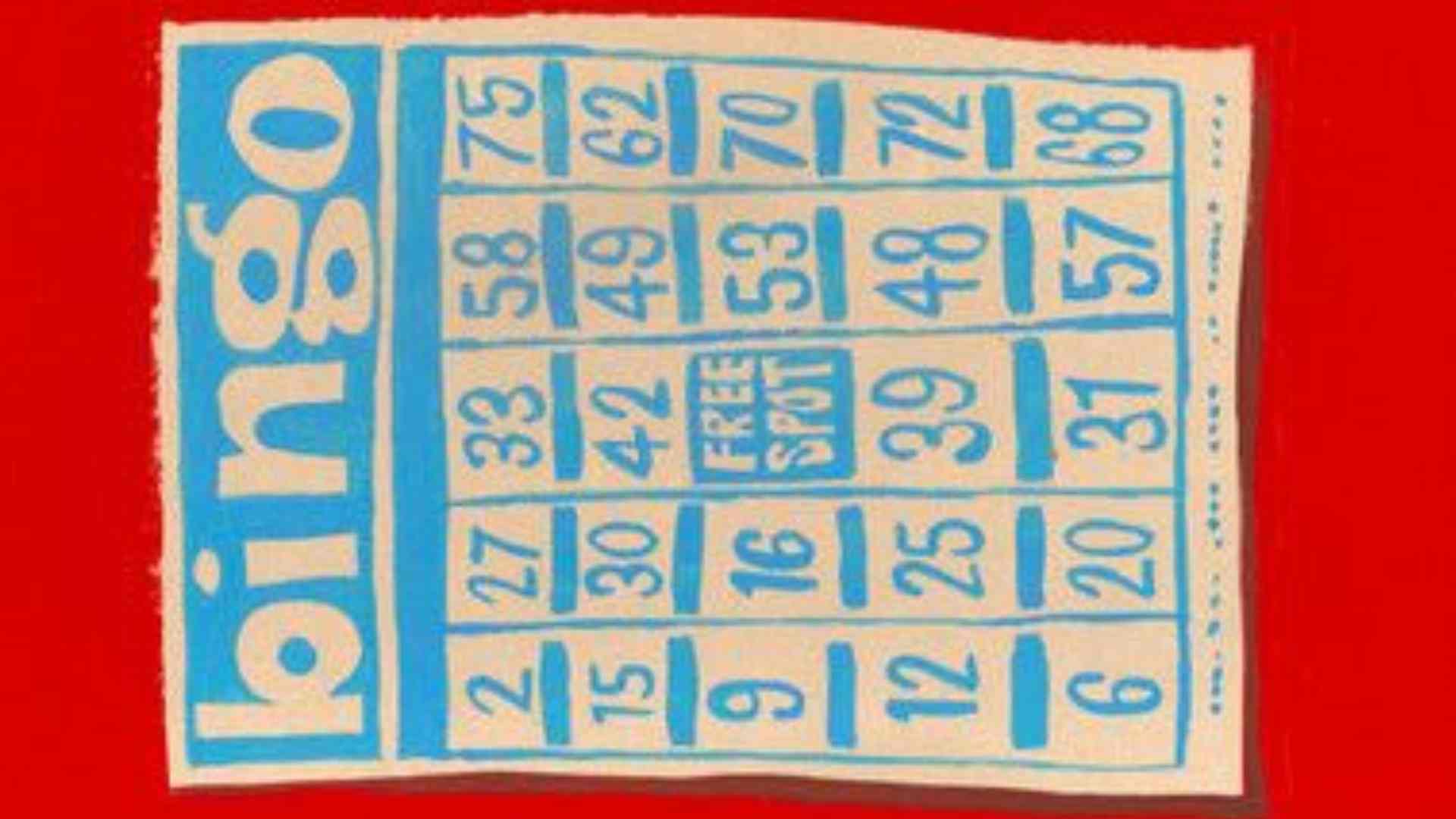
Many digital game players rely on personal rituals, birthdates, or cultural superstitions when selecting their digits. While these traditions add emotional excitement to a session, they have no actual influence on mathematical outcomes. Understanding the mechanics of digital random number software helps explain why personal beliefs cannot alter mathematical probability.
The Core Mechanics of Random Number Generators
Modern gaming platforms rely on Random Number Generators (RNGs) to generate continuous numerical sequences without human intervention. These complex mathematical algorithms produce unpredictable outcomes thousands of times per second, even when no active players are connected. Because each generated value is calculated instantaneously from mathematical seeds, personal digit preferences cannot influence the underlying algorithm.
Furthermore, digital systems do not maintain memory of past selections or individual player profiles. Each continuous calculation functions as an isolated digital event, unaffected by outside beliefs or historical statistics. Recognizing this technical structure allows enthusiasts to evaluate digital entertainment through a clear analytical perspective.
Psychological Biases and the Illusion of Control
Human psychology often leads individuals to perceive meaningful connections within purely random visual data. When a chosen birthdate or favorite digit appears during a draw, cognitive confirmation bias makes that memory stand out while forgetting numerous non-matching instances. This mental process creates a strong illusion of control over inherently random digital systems.
Additionally, many players fall prey to the gambler's fallacy, assuming that a digit is due to appear simply because it has not been drawn recently. In reality, probability distributions remain constant for every single event regardless of past occurrences. Understanding these common cognitive traps helps players maintain an objective mindset during their gaming sessions.
Statistical Independence vs Sacred Numbers
Throughout history, various cultures have assigned special meaning to specific numbers associated with luck, wealth, or harmony. While these cultural meanings enrich human traditions, digital software remains entirely neutral to symbolic definitions. An algorithm treats every digit as an equal numeric entry within a fixed mathematical range.
Every individual combination holds the exact same mathematical probability of appearing in a given selection process. Choosing a sequence based on personal significance yields the exact same statistical odds as selecting random digits. Accepting this fundamental rule helps players enjoy interactive draws without relying on false assumptions.
Promoting Balanced Decisions and Digital Literacy
Developing a realistic perspective on how algorithms function encourages healthier engagement habits overall. When participants understand that luck rituals do not alter server calculations, they focus more on personal budget management and session timing. Knowledge serves as the most effective tool for maintaining control and enjoying digital entertainment responsibly.
Ultimately, separating personal beliefs from computational realities allows users to appreciate the technological design of modern platforms. Viewing outcomes through the lens of mathematical variance prevents unnecessary emotional frustration during unsuccessful draws. Embracing data-driven clarity ensures that digital gaming remains a safe, fun, and transparent activity.