Inside The Formal Etiquette Of Traditional Gaming Houses
The history of traditional gaming houses reveals a world where behavior was governed by strict social codes and unwritten laws. Long before modern algorithms managed player interactions, early clubs relied on rigorous decorum to maintain order and prestige. Exploring these historical customs provides unique insights into how early high-society entertainment combined financial risk with impeccable personal conduct.
The Architecture of Silent Conduct
In the grand wagering salons of the nineteenth century, verbal communication during a live round was kept to an absolute minimum. Players were expected to signal their structural intentions through subtle gestures and precise token movements rather than speaking aloud. This deliberate silence maintained a focused atmosphere that allowed participants to read table dynamics without unnecessary distractions.
Dealers and supervisors also operated under strict behavioral standards, managing the game with mechanical precision. Any display of intense emotion, whether celebrating a win or lamenting a loss, was considered a serious breach of social standard. This collective restraint transformed the gaming floor into a quiet theater of concentration and mutual respect.
The Hierarchy of the Seated Table
Within the private confines of a traditional gaming club, a rigid social hierarchy determined how individuals interacted. The physical arrangement of the room designated specific roles, separating active participants from casual observers who watched from the periphery. This structural boundary created an exclusive environment where every seated player bore a shared responsibility for the decorum of the round.
Access to these premium positions was heavily guarded, often requiring formal introductions or established societal standing. Newcomers typically spent hours studying the unwritten rules from the sidelines before attempting to join the active table. This gradual process ensured that everyone who sat down possessed a complete understanding of the required etiquette.
Modern Transitions and Digital Evolution
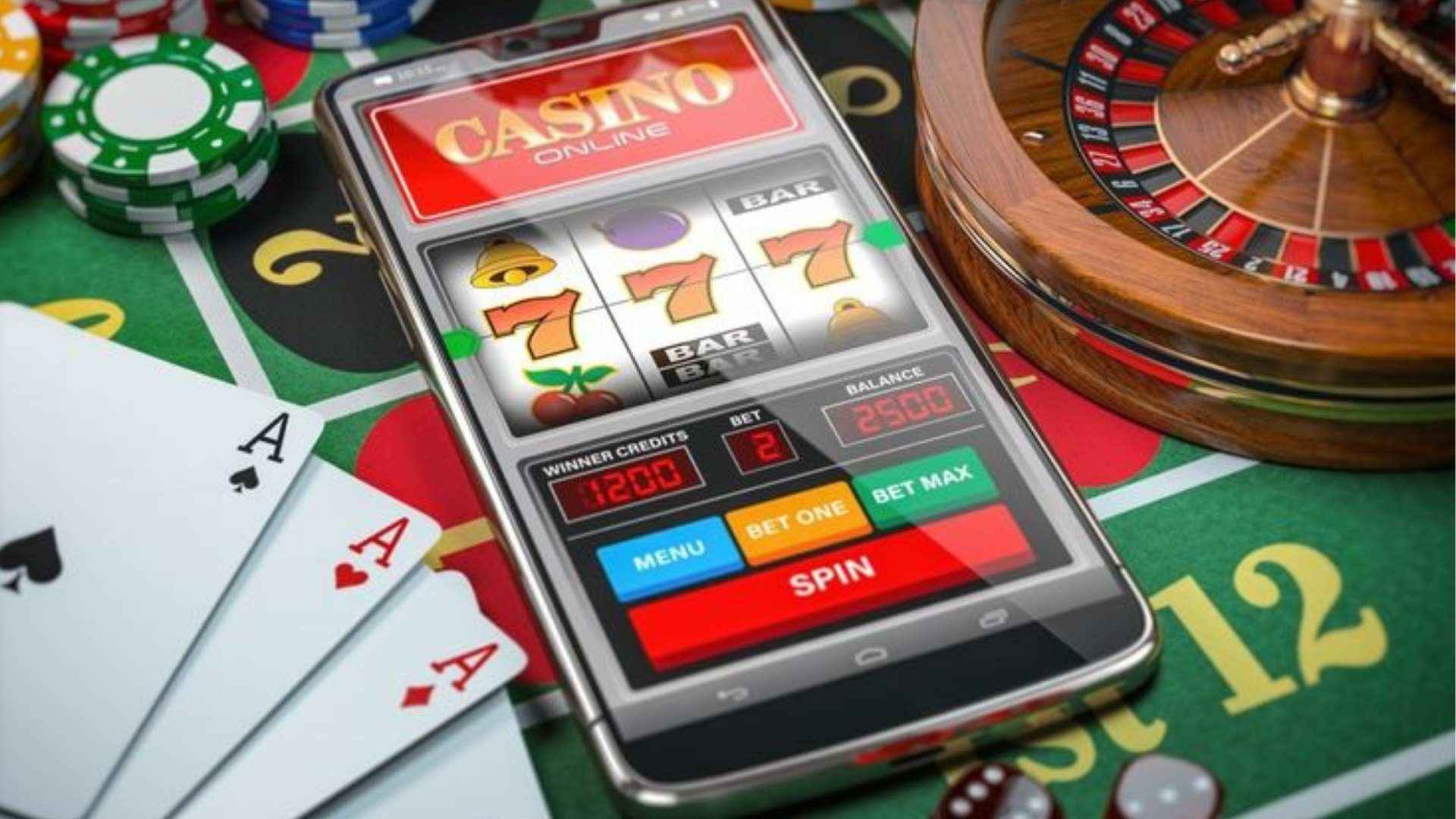
As traditional wagering systems transitioned into the modern era, many of these elaborate physical rituals were adapted for digital platforms. While contemporary spaces offer unmatched convenience, they still attempt to mirror the structured pacing and fair play established by historical venues. Enthusiasts looking to experience these modern adaptations can quickly utilize an m88 đăng nhập to explore a diverse range of classic table formats.
The digital shift retains the core mechanics of traditional play while removing the necessity for manual oversight. Automated platforms now manage the complex rules and mathematical calculations instantly, allowing players to focus entirely on their choices. This evolution demonstrates how ancient customs continue to influence the operational structure of modern digital entertainment.
The Lasting Legacy of Formal Etiquette
Understanding the historical rules of gaming houses reminds us that these spaces were originally designed around social accountability. The emphasis on dignity, careful observation, and controlled risk management helped legitimize early entertainment clubs across Europe. These foundational values continue to provide a blueprint for creating trustworthy environments in today's gaming landscape.
Ultimately, the enduring appeal of traditional table games lies in this unique blend of structure and human interaction. By examining the rigorous protocols of the past, modern players can develop a deeper appreciation for the evolution of global gaming culture. The formal etiquette of classic salons remains a fascinating testament to an era defined by poise and prestige.